Do I have to lay the boundary wire underground?

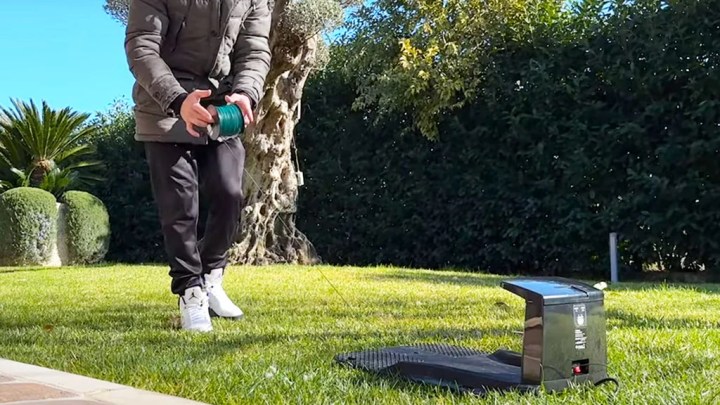
When we buy a robotic lawnmower, we also need to prepare our garden accordingly. There is a need to place the boundary wire, which helps the lawn mower remain inside the lawn area. However, most experts recommend laying the boundary wire underground for easy operation. The question that arises here is whether it is mandatory to do so.  The wire placed acts as a navigator or signal generator. It informs the device which areas it can traverse and which are out of bounds. Let us know if laying the boundary wire underground is critical or if even outward placement would suffice. How is the perimeter wire placed Placing of the wire is relatively simple. It is fixed to a charging station and then placed around the entire area. In the end, it again comes back to the charging station. Due to the charging station, there remains a magnetic field in the wire.  It is this field that helps the robotic lawn mower to move around. However, the perimeter wire must be undamaged, and you must not exceed the length mentioned by the manufacturer. Remember that Installing boundary wire is the most critical aspect of using a robotic lawn mower.  When can you lay the perimeter wire above ground In case if you want to go for a simple option, then you should lay down the boundary wire above the ground. Just lay the wire around the garden once. Now fasten the wire with lawn nails as per the distance requirement that the manufacturer has mentioned. Soon the lawn will grow and cover the wire, making it invisible. Advantages and disadvantages of above-ground laying of perimeter wire Let us know move on to learn the basic advantages of laying the perimeter wire above the ground: The laying process is simple If there is a mistake, you can quickly alter the arrangement Later if there is a readjustment required, you can do so without much hassle. However, the process has its own share of disadvantages which are: The perimeter wire remains exposed to elements like rain, snow, wind, etc. The risk of weathering and corrosion due to exposure is high The wire could break after some time There is a chance of the wire getting cut due to any work going on in the garden.  When should you do the underground installation of the perimeter wire Now we will talk about How to Install a Robot Mower Boundary Wire underground. Most manufacturers offer the facility of placing the perimeter wire underground. The advantages of the same are: Less risk and exposure to external elements The cable remains invisible to others There is very little chance of anybody noticing the wire The cables can transmit the signal with reduced problems up to 7 centimeters Disadvantages of Underground installation of perimeter wire are: You cannot change the design or placement once the installation is completed If there is an accident, it is tough to fix the problem Finding wire breaks is complicated; you need a tool to find it The laying process in itself is pretty tedious What you should keep in mind while laying the perimeter wire Whether you lay the wire underground or above it, you should keep it stretched. There should not be any crossing over, as that could hamper the signal. This, in turn, would affect the working of the robotic land mower. Most manufacturers mention the specification of wire distance from lawn edge and walls.  It is wise to follow these instructions else you might have to redo the boundary again. Carelessness in this matter could also damage your robotic land mower. How to lay the underground wire for rolled turfs When you lay the boundary wire, you might feel like following the same process when laying the turf. However, this can be harmful in the long run. If there is any fault in the placement, it would be hard to fix it. You must first place the underground wire and then run the robotic lawnmower. If there is any issue, you will get to know it within a few days. Remember that after placing the turf, you have only three weeks to place the perimeter wire underground. After that, if you try, it would be difficult as the rooting has become hard. Instead of just sliding the wire inside, you can dig a channel and place the wire there. If you opt for the above-ground placement, then there is nothing that you are required to do. Which should you opt for Practically speaking, you can choose any of the above processes for laying the perimeter wire. Both have their share of pros and cons. If you need underground wire placement, remember it would be costly, especially if you are hiring a professional company to do the same. Yet the wire, once installed, is safe from damage due to any external factors. Once the installation is over, you do not have to keep checking again to know if everything is ok. If you are worried things could go wrong, you could first place the wire above the ground and later shift it underground.  In nearly 80% of the cases, a correction in the wire placement is required. It is better to be safe than to repeat the process later on. Summing up The wire placement is integral for the successful use of Robotic lawnmowers. For best results, you can choose Hookii lawn mowers. These automatic lawnmowers are efficient and handle garden mowing with ease. They move systematically, and therefore the chances of wire getting damaged are pretty less. The Neomow product range is created with extreme precision. It moves logically around the entire garden and avoids obstacles if it senses its presence. There is an algorithm that the device uses and that helps it to move in a pattern. They can mow up to 1000 m square, and you can relax while it mows carefully. The presence of a brushless motor, high-capacity battery, and dual off-road tires ensures…
LiDAR vs VSLAM for Robot Mowers: Which Is Better? (2026)

LiDAR vs VSLAM for Robot Mowers: Which Is Better? (2026) If you’re comparing robot lawn mowers, you’ll quickly run into two navigation buzzwords: LiDAR SLAM and Visual SLAM (VSLAM). They both help a robot mower “understand” your yard, map it, and move around without missing spots. But they do it in different ways, and those differences matter a lot in real backyards, especially if you’ve got trees, narrow passages, garden edges, pets, or changing light. This guide compares LiDAR vs VSLAM for robot mowers in plain English, with practical pros/cons and which one tends to be better for different lawn setups. Shop robot mowers: https://eazybot.com.au/shop/Neomow X product page: https://eazybot.com.au/toode/hookii-neomow-x-robot-lawn-mower-with-3d-lidar-slam/Why we made LiDAR: https://eazybot.com.au/why-we-made-lidar-mower-neomow-x/ TL;DR: LiDAR vs VSLAM Choose LiDAR if you want more consistent mapping and navigation across different yard layouts and lighting conditions (day, shade, dusk). Choose VSLAM if you prefer a vision-first approach and your yard has consistent daylight and clear visual features (fences, edges, contrast). The “best” option depends on your yard, not just the sensor name. What is LiDAR SLAM? LiDAR stands for Light Detection and Ranging. It measures distance by sending out light pulses and calculating how long they take to bounce back. In robot mowers, LiDAR helps build a 3D understanding of space: where objects are, how far away they are, and how the mower should navigate. SLAM stands for Simultaneous Localization and Mapping. That means the robot is doing two things at once: building a map of your yard figuring out where it is on that map In simple terms: LiDAR SLAM helps a robot mower map and navigate using distance measurements, not just images. What is Visual SLAM (VSLAM)? Visual SLAM (VSLAM) uses camera input to map and localize. The mower “looks” at its environment, detects visual features (edges, shapes, patterns), and uses those features to understand where it is. In simple terms: VSLAM helps a robot mower map and navigate by analyzing what it sees. VSLAM can work very well, but it’s more dependent on the quality of visual information, which can change with lighting, shadows, glare, and season (e.g., a yard can look different in summer vs winter). LiDAR vs VSLAM: Quick Comparison Table Feature LiDAR SLAM Visual SLAM (VSLAM) How it “senses” Measures distances (depth) Uses camera visuals (features) Low light / shade Often more consistent Can vary with lighting/contrast Obstacle detection Strong at distance-based sensing Depends on vision + training + light Complex yards Typically very stable Can be stable, but depends on visuals Setup & mapping Usually reliable mapping Reliable when visuals are clear Cost Often higher hardware cost Often lower hardware cost Best for Big/complex layouts, mixed lighting Simple layouts, consistent daylight Note: real performance depends on the whole system, not just one sensor. Which is better for obstacle avoidance? Both approaches can avoid obstacles, but they “notice” obstacles differently: LiDAR SLAM obstacle avoidance Uses distance changes to detect objects and free space Often good at recognizing “something is there” even if it’s not visually distinct VSLAM obstacle avoidance Relies on the camera seeing the obstacle clearly Performance can vary if the obstacle blends into the background, is in shadow, or lighting changes Practical takeaway: If your yard has lots of objects (trees, garden edges, outdoor furniture, kids’ toys), LiDAR-based distance sensing often stays more consistent across different conditions. Which is better for low light and changing conditions? Lighting is where the difference can show up fastest. LiDAR doesn’t rely on visible light the same way a camera does, so it can stay consistent in shade, dusk, and variable lighting. VSLAM can perform great in good light, but can be more sensitive to shadows, glare, and low contrast. Practical takeaway: If your yard has lots of shade, or you want consistent performance across seasons and times of day, LiDAR often has an advantage. Which is better for large lawns and complex yards? For large lawns, the big question is navigation reliability: Does it cover the whole area consistently? Does it get confused in tight passages? Does it remap smoothly if something changes? In many cases: LiDAR SLAM tends to be strong for big, complex layouts, narrow paths, and yards with many “zones.” VSLAM can be excellent too, especially if there are clear visual landmarks and stable lighting. Practical takeaway: For complicated yards, LiDAR’s distance mapping often helps reduce “confusion moments.” Accuracy, coverage, and missed spots A robot mower wins when it does three boring things perfectly: keeps a stable map navigates predictably doesn’t miss strips What helps: Clear boundary definition and zone planning Good localization (knowing where it is) Strong path planning and edge behavior LiDAR can support stable localization using depth.VSLAM can support stable localization using visual landmarks. Practical takeaway: The “missed spots” problem is often less about LiDAR vs VSLAM and more about the mower’s software, mapping logic, and boundary setup. Cost, hardware, and maintenance differences LiDAR systems often add cost due to the sensor hardware. VSLAM systems are often cheaper on the sensor side, but rely heavily on software and good camera conditions. In terms of maintenance: Any mower with sensors needs basic care (keeping sensors clean, avoiding heavy debris buildup, etc.). Camera-based systems can be more sensitive to smudges or dirt on lenses. LiDAR systems can also be affected by dirt, but they’re not dependent on crisp visual details. Best choice for Australian lawns Aussie lawns often include: strong sun + harsh shadows mixed grass types uneven edges, garden beds, and trees lots of seasonal changes If you have mixed lighting (shade + sun), obstacles, or a complex layout, LiDAR-based navigation can be a smart choice.If your yard is open and visually simple, VSLAM can also work well. If you’re comparing models, focus on: mapping stability (does it keep its map?) obstacle performance in your yard type coverage efficiency support + warranty locally See robot mowers here: https://eazybot.com.au/shop/Learn why Neomow X uses LiDAR: https://eazybot.com.au/why-we-made-lidar-mower-neomow-x/ FAQ: LiDAR vs VSLAM Robot Mowers Is LiDAR always better than VSLAM? Not always. LiDAR can be…

Why We Made LiDAR Robot Mower Neomow X

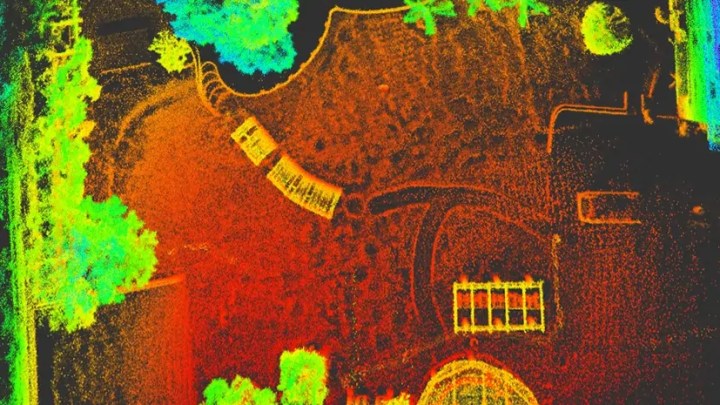
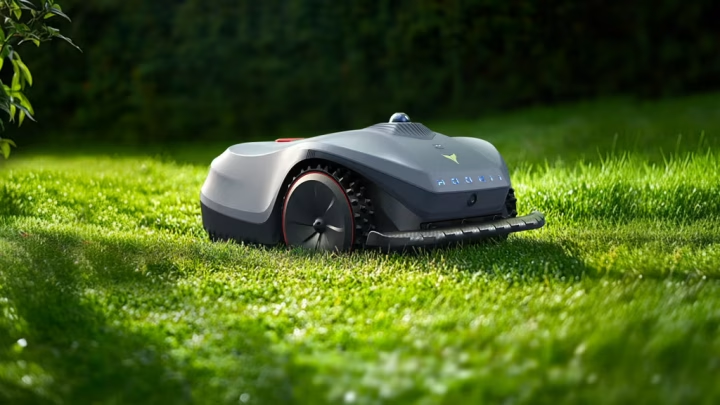
Meeting the Growing Demand for Lawn Maintenance Homeowners worldwide face the challenge of maintaining lawns efficiently. Traditionally, there are two approaches: Hiring professional lawn services Manually mowing with handheld devices Both methods come with significant costs and effort. Lawn maintenance is a recurring task—often over six months per year, and sometimes twice a week during peak growth. Enter robotic lawn mowers. Technological innovation has created smart solutions like the Neomow X, designed to reduce costs and save time while delivering a perfectly maintained lawn. Limitations of Traditional Mowing Robots Robotic mowers that require perimeter wires are growing in popularity, but they have notable drawbacks: Complex setup and maintenance: Installing perimeter wires is time-consuming, and wires may break or need redeployment. Seasonal storage adds further hassle. Inefficient mowing patterns: Many wired robots rely on GPS or lack proper localization, resulting in uneven coverage and messy tire marks. Limited obstacle avoidance: Most require users to mark obstacles with wires, increasing setup complexity and leaving pets or children at risk. Challenges with No-Wire Robotic Mowers Recent advancements led to no-perimeter-wire mowers, but existing technologies have limitations: 1. RTK + Obstacle Avoidance Sensors Environmental interference: Satellite signals can fluctuate due to clouds, shade, or tall structures, causing navigation errors and missed mowing areas. Geographic constraints: Signal availability varies by region. Complex deployment: A base station is required, adding installation difficulty.       2. Vision-Based SLAM (V-SLAM) Privacy concerns: Cameras capture image data from users’ properties. Environmental interference: Dust, grass, and rain can affect camera performance; bright light or shadows may reduce accuracy. Maintenance requirements: Frequent cleaning is necessary to maintain efficiency. Limited mowing area: High processing demand restricts coverage on large lawns. 3. UWB + Vision Solutions Cumbersome deployment: Multiple base stations are required for coverage. High maintenance: Base stations need power and regular upkeep. Restricted mowing area: Large lawns may be incompletely covered. Lifestyle disruption: Base stations may interfere with normal lawn use Neomow X: Advanced Lawn Care Technology The Neomow X overcomes these limitations using LiDAR SLAM combined with visual obstacle avoidance. Key Advantages Reduced Environmental Constraints: Works reliably under shade, eaves, and diverse geographic conditions without signal interference. Easy Deployment: No base stations required—quick setup and immediate operation. Complete Coverage: Mows all corners, shrubs, and edges with precision, minimizing missed areas. Flexible Lawn Sizes: Handles lawns from 500 to 3000+ m². Indoor Charging Station: Can be installed indoors while maintaining full operation and autonomous navigation. Enhanced Safety: Multi-sensor obstacle avoidance protects pets, children, and objects. Privacy Protection: Vision sensors are optimized for navigation without compromising user privacy. How LiDAR SLAM Works in Neomow X LiDAR SLAM (Simultaneous Localization and Mapping) allows Neomow X to map and navigate your lawn efficiently: Map-Building LiDAR emits 360° detection beams, reflecting off objects to measure distances. The data creates a 3D point cloud map of the lawn for precise navigation. Maps are updated in real-time for dynamic environments.   Positioning LiDAR detects environmental features and compares them to the map. Continuous data matching ensures accurate real-time positioning. Navigation & Path Planning Neomow X plans the most efficient mowing path based on lawn layout. It dynamically navigates around obstacles while maintaining coverage and efficiency. Multiple Obstacle Avoidance System Neomow X combines three obstacle avoidance strategies: LiDAR Detection: High-precision, 360° field of view ensures full obstacle awareness. Visual Recognition: Front-facing cameras detect low or short obstacles like toys or pets. Anti-Collision Bar: A 144° wide-angle bar provides physical protection as a last line of defense. These systems work together to ensure safe, flexible, and efficient operation. Why Choose Neomow X? Neomow X is not just a mower—it’s a smart, autonomous lawn care solution that: Saves time and effort Reduces maintenance costs Covers all lawn sizes efficiently Operates safely around children and pets Minimizes environmental impact with quiet, electric operation Protects user privacy while maintaining advanced navigation With Neomow X, homeowners can enjoy a perfectly manicured lawn without the hassles of traditional mowing methods or limitations of older robotic solutions.

Which lawn mower is Best for Your Lawn?

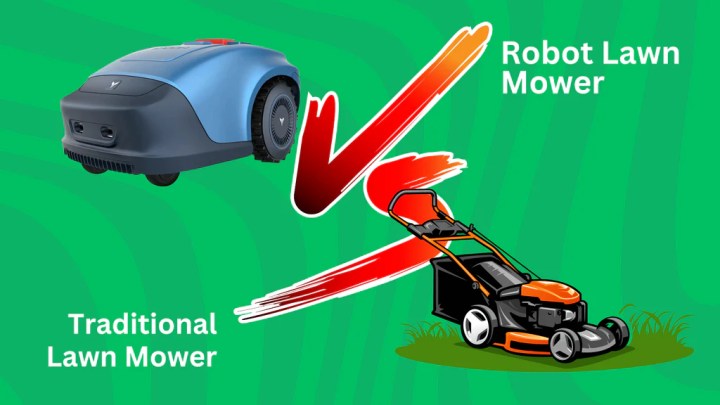
Which lawn mower is Best for Your Lawn? Welcome to the ultimate battle for the perfect lawn! Imagine a lush, well-maintained yard without spending hours behind a noisy, gas-guzzling machine. That’s exactly where robotic lawn mowers come in. In this post, we’ll explore the advantages of robotic mowers, compare them with traditional mowers, and help you decide which option is right for your lawn. Whether you’re tired of manual mowing or just curious about the latest lawn care technology, you’re in the right place. Advantages of Robotic Mowers Convenience and Time-Saving Robotic mowers operate autonomously, cutting your grass according to a schedule or working continuously. You can enjoy your weekends without pushing a heavy mower around your yard. Autonomous Operation: Set it up and let it run. No more labor-intensive mowing. Weather Resilience: Rain or shine, robotic mowers adapt to weather conditions with built-in sensors. Precision and Consistency Robotic mowers deliver a consistently neat lawn thanks to advanced navigation systems and customizable cutting patterns. Advanced Navigation: GPS or boundary wires ensure your mower covers every inch evenly. Customizable Cutting: Adjust the height and pattern to avoid wheel marks and uneven patches. Eco-Friendly Benefits Robotic mowers are powered by electricity, reducing harmful emissions compared to gas-powered mowers. They are quieter, reduce noise pollution, and help maintain healthier grass with less water and chemicals. Advantages of Traditional Mowers Variety of Options Traditional mowers come in many types: push, self-propelled, electric, or gas-powered. This variety allows you to match the mower to your lawn size, terrain, and budget. Lower Initial Cost Traditional mowers are generally more affordable upfront, making them accessible to homeowners with smaller lawns or limited budgets. Easier Maintenance With simpler mechanisms and fewer electronics, traditional mowers are easier to repair and maintain. Replacement parts and professional servicing are widely available and cost-effective. Which is Better for the Environment? When evaluating the environmental impact of robotic mowers versus traditional mowers, it becomes evident that robotic mowers hold a significant advantage. These autonomous marvels are designed with eco-friendliness in mind. First and foremost, robotic mowers run on electric power, eliminating the harmful emissions associated with traditional mowers that rely on gasoline. By opting for an electric-powered solution, robotic mowers contribute to cleaner air and a reduced carbon footprint. Furthermore, the quiet operation of robotic mowers minimizes noise pollution, allowing you, your family, and your neighbors to enjoy a peaceful outdoor environment. Additionally, the consistent and precise mowing patterns of robotic mowers promote healthier grass, reducing the need for excessive watering and potential chemical treatments. With reduced water consumption and the absence of harmful emissions, robotic mowers emerge as the more environmentally friendly choice, aligning with sustainable practices and contributing to a greener future. Safety and Durability Safety Robotic Mowers: Built-in sensors detect obstacles and stop blades if lifted or tilted. Traditional Mowers: Require careful manual operation, though safety features like blade guards and dead-man switches help prevent accidents. Durability Robotic Mowers: Designed to withstand rain, UV exposure, and temperature changes. Quality varies by brand, so choose a reputable model. Traditional Mowers: Durability depends on materials and maintenance. Regular servicing extends lifespan.     Factors to Consider When Choosing a Mower Lawn Size & Complexity: Robotic mowers suit small to medium, simple lawns. Traditional mowers handle larger or irregular lawns better. Convenience & Time: Robotic mowers save time; traditional mowers require manual effort. Precision & Consistency: Robotic mowers offer precise, even cuts; traditional mowers require skill for perfect results. Environmental Impact: Robotic mowers are eco-friendly; traditional mowers emit exhaust fumes. Budget & Maintenance: Robotic mowers cost more upfront but need less maintenance; traditional mowers are cheaper initially but may require more upkeep. Safety: Robotic mowers have automated safety features; traditional mowers rely on careful user operation. Personal Preference: Hands-on experience vs. automation. Availability & Support: Check for local availability, spare parts, and service options. Robotic vs Traditional: Which Should You Choose? Both robotic and traditional mowers have pros and cons. Robotic mowers offer autonomy, eco-friendliness, and precise, consistent mowing. Traditional mowers provide more options, lower initial costs, and versatility for complex lawns. When deciding, consider: Lawn size and layout Convenience and time commitment Environmental impact Budget and maintenance Safety requirements Personal preferences The right choice depends on your lawn care goals, desired automation, and lifestyle. Whichever mower you choose, proper maintenance and safety practices ensure a healthy, well-manicured lawn. Conclusion Robotic lawn mowers are revolutionizing lawn care by saving time, reducing environmental impact, and delivering precision mowing. Traditional mowers remain a reliable, cost-effective solution with a wide variety of options. Evaluate your priorities, your lawn’s needs, and your budget to choose the perfect mower. With either option, you’ll enjoy a beautiful, healthy lawn that enhances your outdoor living experience.